
The Effect of Lack of Financial Support on Students’ Education
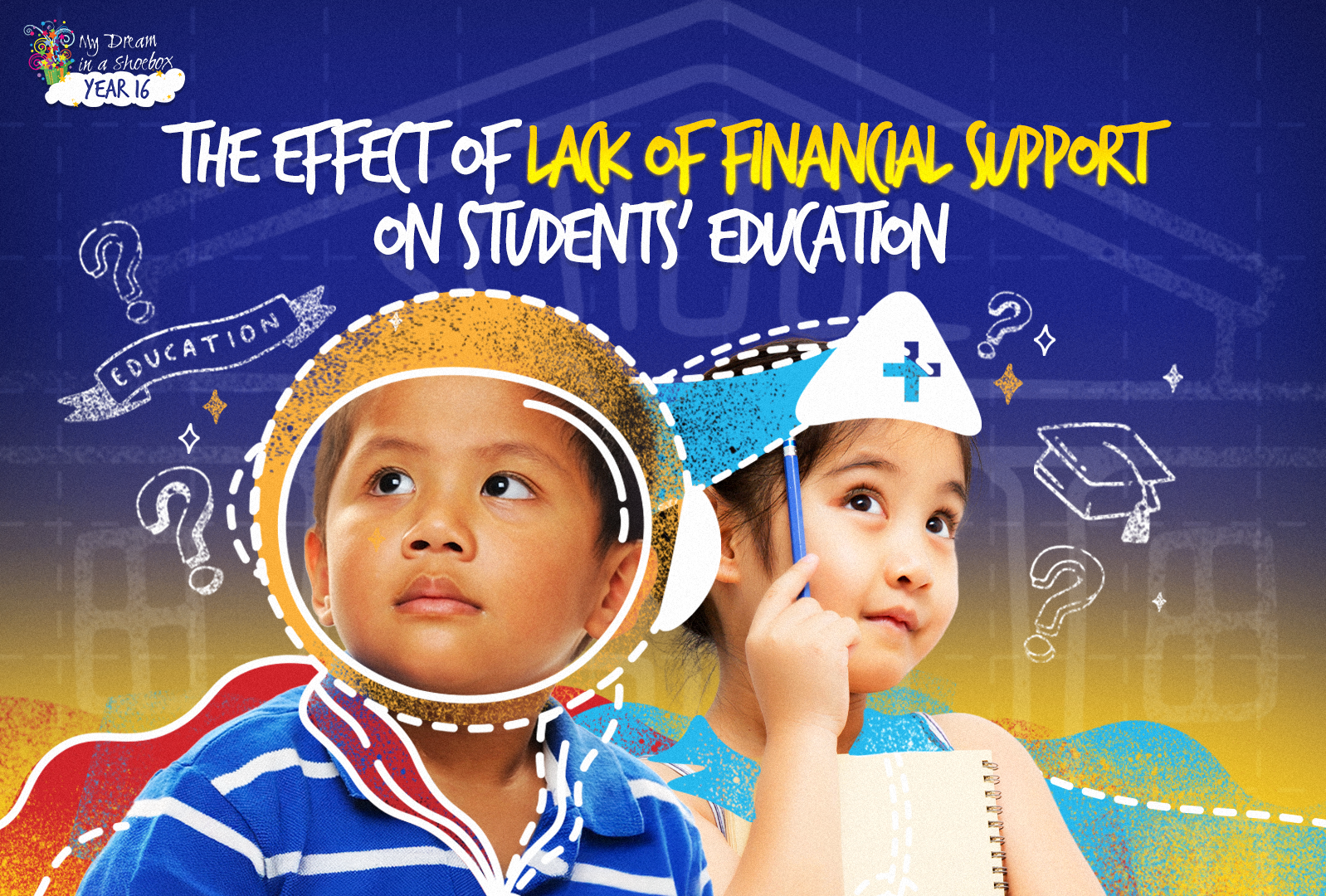
The dream of every parent is to see their child thrive, especially in school. They envision promising futures brimming with education and possibilities. Yet, for many young students, a silent struggle often casts a long shadow over their educational journey: the lack of financial support. This isn’t just about missing a few school supplies; it’s a deep-seated issue that can profoundly impact a child’s ability to learn, participate, and ultimately succeed in school.
Consider a young student, eager to learn, but without the basic tools. Imagine the enthusiasm of a child ready for a new school year, only to be met with the reality of not having the necessary notebooks, pencils, or even a proper uniform. These seemingly small things accumulate, creating a significant barrier to effective learning. When a child consistently lacks the resources their peers have, it can lead to feelings of inadequacy, isolation, and ultimately, a disengagement from their studies.
The effect of lack of financial support on students is multifaceted, touching upon various aspects of their educational experience. It impacts their ability to access essential resources, their participation in school activities, and even their physical and emotional well-being, all of which are crucial for a successful academic path.
This blog explores the real and often overlooked effects of a lack of financial support to students, how it chips away at their motivation, disrupts their learning, and limits their future. Understanding these challenges is the first step to overcoming them.
When Money Gets in the Way of Learning
Financial hardship in schools isn’t always obvious. It’s not just students dropping out or having visibly worn uniforms. Often, it appears in quieter, more painful ways. Students might be too hungry to concentrate, too ashamed to participate, or too discouraged to believe in their potential.
When children lack the resources or support they need, it’s harder for them to focus, stay motivated, and keep up in class. The sooner these issues begin, the tougher they are to overcome. In elementary school, where the foundation for learning is built, these gaps can have lasting effects on both grades and self-confidence.
Let’s look at three main ways this struggle affects students:
- Lack of Basic School Supplies
Many young learners arrive at school without notebooks, writing tools, or even a good backpack. This makes it hard and frustrating to participate in class.
When a child has to borrow supplies every day, they might feel embarrassed or left behind. Over time, this affects their self-perception, making them feel like they don’t belong or can’t keep up. Not having something as simple as paper to write on can discourage a child from even trying.
- Inability to Access Learning Spaces
For some children, school isn’t the only place where learning happens. Homework, online classes, and research projects often need a quiet space, a working device, and reliable internet. These aren’t always available at home.
Without a proper learning environment, students struggle to finish assignments, join virtual classes, or build digital skills. The gap widens between them and their classmates who have these tools. In the long run, it could limit their readiness for the future.
- Interrupted Education
Sometimes, not having enough money forces families to make impossible choices. Should they buy school shoes or groceries? Should they send one child to school and ask another to wait?
These tough decisions can lead to missed classes or even entire school years. Each interruption makes it harder for students to return, catch up, and feel connected to their education again. The longer they are out of school, the harder it is for them to imagine a life beyond their current situation.
The Long-Term Consequences and the Cycle of Poverty
The cumulative effect of these challenges can have severe long-term consequences, perpetuating a cycle of poverty. When students consistently fall behind in their studies due to a lack of financial support, their academic performance suffers.
This can lead to lower grades, a diminished likelihood of advancing to higher education, and ultimately, limited future career prospects. A child who struggles in elementary school is more likely to face difficulties in middle and high school, potentially leading to dropping out before completing their education.
Addressing this issue requires action. If we want young learners to thrive, we must provide them with the tools, spaces, and support systems they need.
Organizations like My Dream in a Shoebox reach more and more underserved kids and communities and offer them a better chance at education today. By donating to My Dream in a Shoebox, you wield the ability to select the avenue through which you’d like to make a difference:
- Dream Kits are filled with essential school supplies, tools, and resources crucial for a student’s educational journey.
- Educational Hubs with functional laptops equipped with reliable internet connectivity and printing facilities.
- Sponsoring a scholar’s education for an entire year lays the foundation for their academic success.
Understanding all of the elements that contribute to this growth and analyzing techniques to help these learners can help create a more equitable and supportive learning environment. Together, we can ensure that students can focus on their studies and build a brighter future without the added burden of financial strain. Join us in making that change. Support a young dream today. Visit My Dream in a Shoebox to learn how you can help.
 facebook.com/mydreaminashoebox
 instagram.com/mydreaminashoebox