
Ways to Reduce Stress for Students: Practical and Proven Tips
For many young students, school is where curiosity begins to grow. But it can also become a source of pressure. Between daily lessons, homework, and social expectations, even elementary school children can experience stress in ways adults may not always notice.
The good news is that there are clear, practical ways to reduce stress for students. And it all begins by understanding what they go through each day.
Why Young Students Feel Stressed
Stress doesn’t always look like worry or panic. In children, it can manifest as tiredness, irritability, lack of focus, or stomachaches. These signs are often dismissed as part of growing up, but they can point to something more profound.
For young learners, stress can come from many places. They may feel overwhelmed by schoolwork or frustrated when they don’t understand a lesson. Some may worry about making friends, adjusting to changes at home, and trying to meet the expectations of adults around them.
At this stage of life, children are still developing the skills to manage their emotions. They need help developing the right habits to cope with pressure and maintain their mental well-being.
Unpacking the Realities of Student Stress
Stress for young students isn’t just about them struggling to get good grades. It can also come from a wide range of pressures, both academic and social. Academically, students might feel overwhelmed by homework, tests, or simply the volume of new information they are expected to absorb. They might compare themselves to classmates, fearing they aren’t smart enough or quick enough. Socially, navigating friendships can be a complex and emotional landscape, ranging from the joy of connection to the sting of exclusion or misunderstanding. The desire to fit in, be liked, and avoid conflict can be a significant source of anxiety for children.
Beyond the classroom and playground, external factors can also contribute to a child’s stress levels. A busy home environment, family changes, financial difficulties, or even excessive screen time can all add to their mental load. It is crucial to remember that children are highly sensitive to their surroundings, and what might seem like minor issues to an adult can feel monumental to a young student. When stress becomes chronic, it can impact their learning, their well-being, and their overall development. Therefore, equipping them with ways to reduce stress for students early on is an investment in their future.
Three Key Strategies for Stress Reduction in Young Students
When it comes to helping young students manage stress, focusing on foundational experiences can make a significant difference. Here are three key strategies that aim to empower children and create a supportive environment.
- Nurturing a Sense of Competence and Confidence
Helping children feel capable reduces stress. The results from a study from 2023 state that self-esteem influences emotional and behavioral engagement, while motivation has a greater impact on academic engagement.
Additionally, metacognitive engagement is a predictor of students’ academic performance. Celebrate children’s progress and efforts, and encourage age-appropriate challenges. Break down large tasks into smaller steps. This approach builds their belief in their abilities, a strong defense against school-related anxieties.
- Prioritizing Play and Unstructured Time
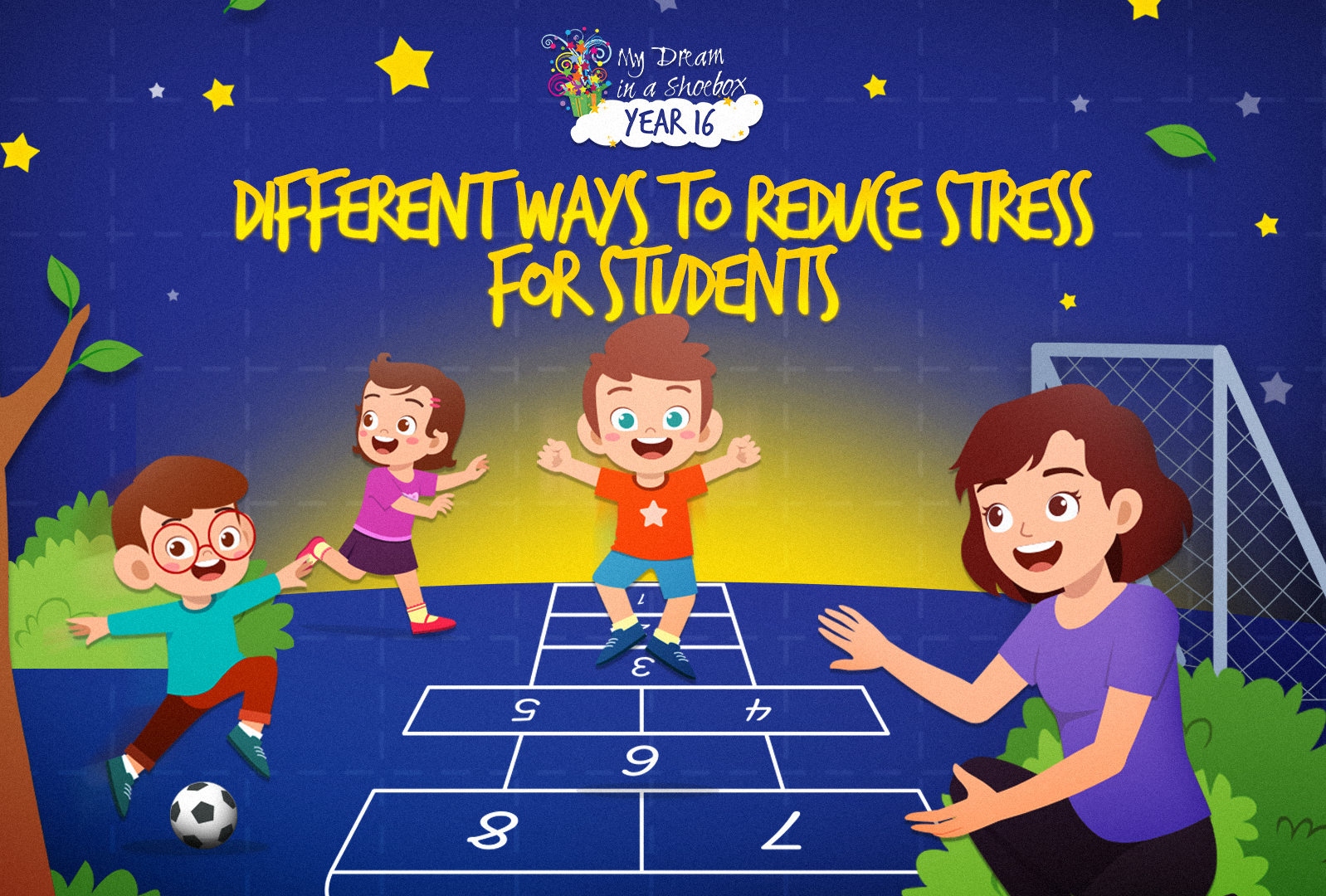
Free play is essential for reducing stress in children. It’s a crucial outlet for energy and emotions, allowing them to process experiences, practice social skills, and engage in creativity without performance pressure. Encourage a balance between structured activities and ample time for self-directed play so children can decompress and recharge. - Fostering Open Communication and Emotional Expression
Creating a safe space for children to express their emotions helps them process feelings and lessens internal stress. Listen attentively, help them identify their emotions, and teach healthy ways to express themselves. Knowing they have a non-judgmental listener significantly alleviates stress and builds emotional intelligence.
Expanding Support Systems for Young Students
Beyond the main strategies, having a consistent routine helps children feel secure. Regular times for meals, schoolwork, rest, and sleep can ease daily stress. Even small changes, like quiet time before bed or setting up a study space, can help students feel more in control.
Healthy habits also play a big role. Nutritious meals, enough sleep, and time to move or play support focus and emotional balance. These straightforward habits empower students with sustained energy and focus throughout their day.
Teaching calm habits like deep breathing or quiet reflection helps children manage big feelings. Just as important is what they see. When adults respond to stress in healthy ways, children learn to do the same.
How We Can Help Students Thrive
Creating an environment where young students can thrive and manage stress effectively requires a community effort. It involves not only the direct support from parents and educators but also the broader resources available to them. Access to essential school supplies, a conducive learning environment, and sustained educational opportunities are critical in alleviating financial burdens and academic pressures that can contribute to stress. When a child has the tools they need to succeed, it significantly reduces the stress associated with academic performance and participation.
This is where organizations like My Dream in a Shoebox (MDIAS) play a vital role. MDIAS understands that practical support can have a profound impact on a child’s educational journey and, consequently, their mental well-being. By ensuring students have the necessary resources, MDIAS helps reduce a significant source of stress, allowing children to focus on learning and growing.
My Dream in a Shoebox: Empowering Dreams
You have the power to help a student succeed by choosing how you want to make a difference. Your support can provide the essential tools that alleviate academic stress and build a foundation for a child’s success.
- Provide Dream Kits: You can donate Dream Kits filled with the essential school supplies a child needs to participate in class and complete their homework.
- Support Educational Hubs: You can help give students access to functional laptops, reliable internet, and printers, opening up a world of information and opportunity.
- Sponsor a Scholar: You can cover a student’s education for an entire year, providing the ultimate foundation for a brighter future and a lifetime of learning.
Let’s help every child thrive, one dream, one classroom, and one kit at a time.
 facebook.com/mydreaminashoebox
 instagram.com/mydreaminashoebox